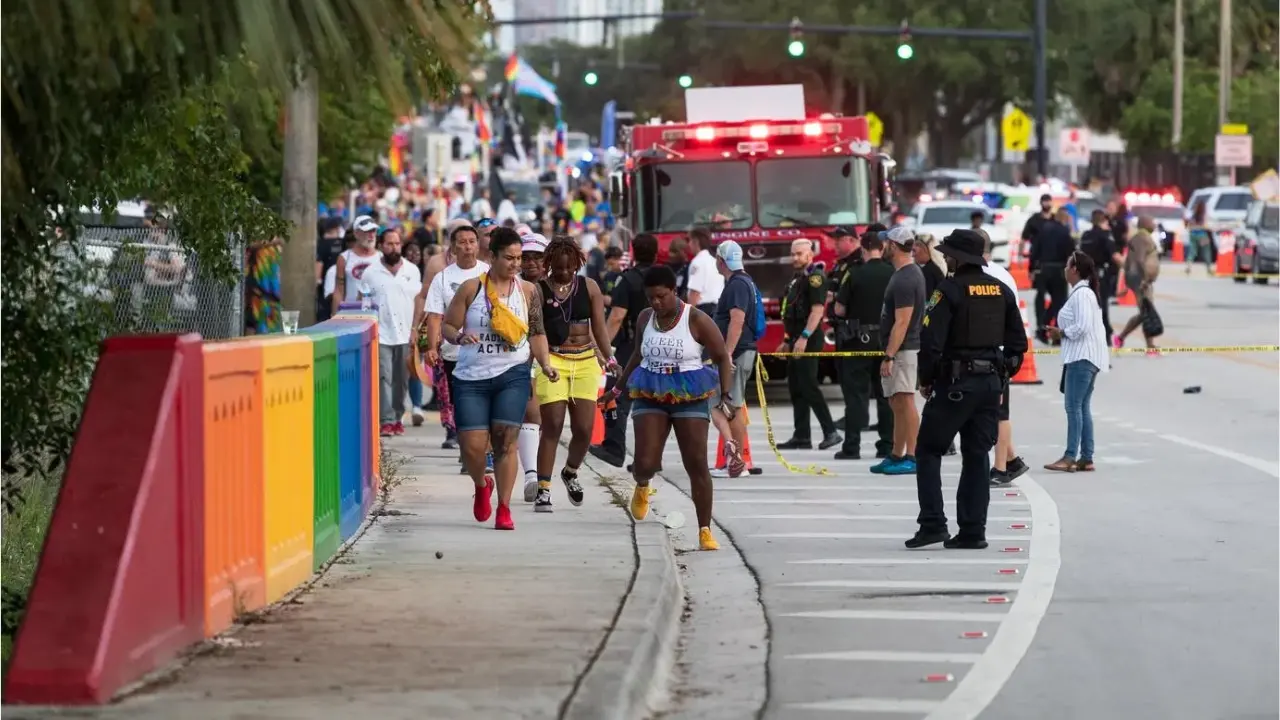
Fort Lauderdale is generally a reasonably safe destination for visitors, particularly within the areas most tourists actually spend time in. Like most coastal tourist cities, safety here varies noticeably by neighborhood, time of day, and whether standard travel precautions are followed. Crime data on the city reflects that property crime, especially theft from vehicles, shows up more often than violent crime in the parts of the city tourists frequent.
Is Fort Lauderdale Safe for Visitors?
Fort Lauderdale Beach, Las Olas Boulevard, the Riverwalk, and the downtown core are the best neighbourhoods in Fort Lauderdale that have consistent police presence and heavy foot traffic, both of which tend to reduce the kind of opportunistic crime that affects less-visited parts of the city.
- Property crime outpaces violent crime in tourist areas. Vehicle break-ins and theft are the most commonly reported issues affecting visitors, while violent crime tends to concentrate in inland residential neighborhoods well outside the areas most itineraries cover.
- Basic awareness goes a long way. Keeping valuables out of sight, avoiding displaying cash or expensive electronics, and staying alert in crowds all meaningfully reduce risk.
- Location within the city matters more than the citywide average. Sticking to well-trafficked areas like the beach, Las Olas, and the Riverwalk covers most of what a typical visit involves.
- Accommodation choice affects overall risk. A hotel or rental in a central, well-reviewed area tends to be safer than something in an unfamiliar or isolated part of town.
- Conditions shift over time. Checking current guidance from the Fort Lauderdale Police Department is more reliable than relying on older crime statistics or outdated articles.
NOTE: For visitors staying in the main tourist areas and using ordinary caution, though, a trip here isn’t meaningfully riskier than a visit to most similarly sized coastal cities in Florida.
Is Fort Lauderdale Safe at Night?

Evenings along Las Olas Boulevard and the Riverwalk stay active well after dark, with restaurants, bars, and foot traffic keeping these areas comfortable for a typical night out. Fort Lauderdale Beach also sees steady crowds during evening activity along its main strip.
- Stay in areas that are already busy: A crowded, well-lit street is a safer bet than a quiet detour, even if the quiet street looks like a shortcut.
- Choose well-lit parking: Even if it means walking a little further. Dim garages and side-street parking are common targets for break-ins.
- Avoid walking through unfamiliar areas after dark: A short rideshare trip is a reasonable trade-off compared to navigating on foot through unfamiliar streets.
- Keep a phone charged: Both for navigation and in case plans change unexpectedly.
- Decide on transportation before heading out: Rather than figuring it out at the end of the night, get the way back sorted in advance.
Visitors driving a rental car in Fort Lauderdale in the evening benefit from choosing a parking location in advance rather than circling for a spot upon arrival. A little planning here avoids the temptation to leave a car in a dim or questionable spot purely out of convenience.
Is Fort Lauderdale Safe for Families?

Fort Lauderdale offers a reasonable amount for families, particularly for daytime activities that don’t involve navigating nightlife areas.
Family-friendly options include:
- Hugh Taylor Birch State Park, with walking trails, a lagoon, and green space just off the beach
- Museum of Discovery and Science, with hands-on exhibits and an IMAX theater
- Fort Lauderdale Beach, with calm water suitable for swimming during most of the year
- Bonnet House Museum & Gardens, a quieter, slower-paced stop with gardens and historic buildings
Tips for Families
- Some residential neighborhoods are known for being especially family-friendly, including Coral Ridge, Rio Vista, and Victoria Park, which see lower crime rates and more active neighborhood associations than the citywide average.
- Florida law requires car seats for young children. Children under 5 must ride in a federally approved child seat appropriate to their age, and families using a rental vehicle should confirm ahead of time whether one is provided.
- Daytime activities carry fewer safety considerations overall. Parks, museums, and beach time during daylight hours are generally safe.
- Supervision matters most in crowded settings, including the beach boardwalk and any downtown event, where it’s easy for a child to wander a short distance in a crowd.
- Parking close to an attraction’s entrance, in a visible, well-lit spot, simplifies loading and unloading with kids in tow.
Is Fort Lauderdale Safe for Solo Travelers?
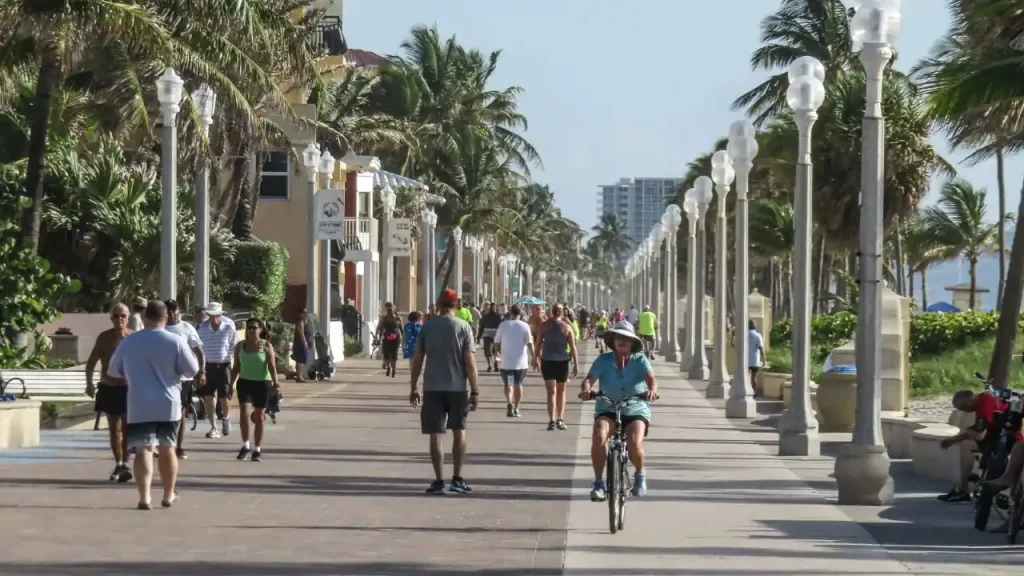
Traveling alone changes the dynamic slightly, mostly as there’s no second person to notice if something feels off or to help out if plans go sideways.
- Share an itinerary with someone before departure, including general plans and check-in times.
- Stay alert to surroundings, particularly in unfamiliar areas or when distracted by a phone.
- Skip isolated areas after dark, especially beach access points and parking areas away from active foot traffic.
- Keep documents and extra cash secured, ideally in a hotel safe rather than carried around unnecessarily.
- Rely on rideshare or a personal vehicle over walking long distances at night, particularly in unfamiliar parts of the city.
- Confirm a route before driving, rather than navigating and driving at the same time in an unfamiliar city.
Is It Safe to Drive in Fort Lauderdale?
Driving in FL is generally manageable, though the city has a few quirks to know, whether behind the wheel of a personal car or a rental. A rental car is genuinely the best way to get around Fort Lauderdale.
Traffic and major roads: Interstate 95 carries the bulk of through traffic, with US-1 (Federal Highway) and A1A serving as slower surface-level alternatives. Downtown and the areas near Las Olas involve a mix of one-way streets that can catch first-time visitors off guard.
Rush hour: Weekday congestion generally builds between 7:00 and 9:30 a.m. and again from 4:00 to 6:30 p.m., with the I-95/I-595 interchange and the approach into downtown among the more consistent bottlenecks.
Speed limits and school zones: Limits shift between residential streets, school zones, and main corridors, and school zone enforcement is active during drop-off and pickup hours.
Distracted driving: Florida law bars texting while driving, with hands-free requirements in school and work zones. Given the number of pedestrians and cyclists near the beach and Las Olas, distraction matters more in those stretches than on the open interstate.
Weather: South Florida’s afternoon thunderstorms, common from late spring through early fall, can reduce visibility with little warning. Hurricane season, running June through November, is also worth factoring into travel plans during those months.
Parking: Downtown and beachfront parking fill up quickly during busy periods, and deciding on a parking plan before arriving saves time and avoids leaving a car somewhere less secure out of convenience.
Rental Car Safety Tips in Fort Lauderdale
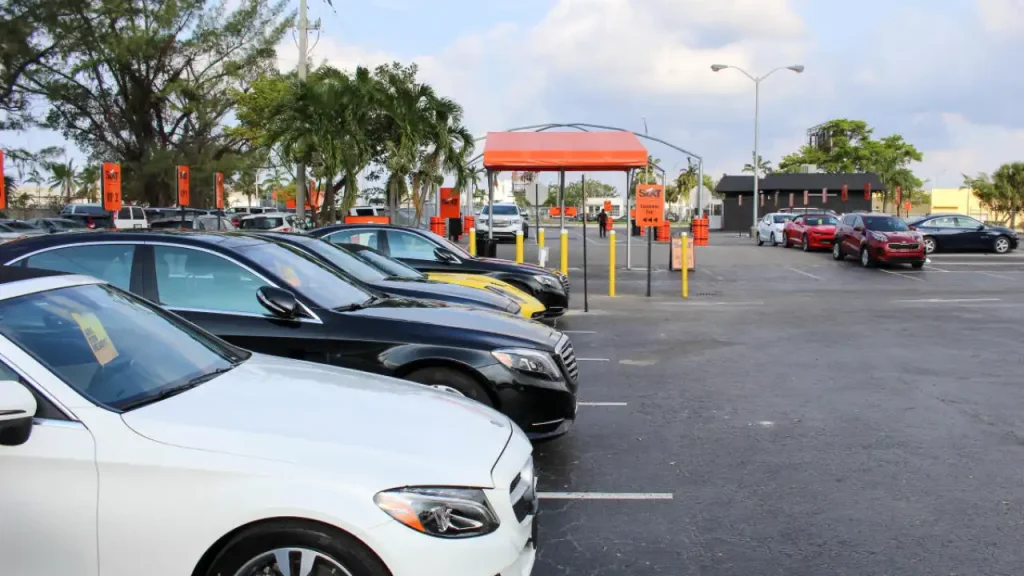
A few extra precautions apply specifically to a rental vehicle, on top of general driving safety:
- Lock the car every time it’s left unattended, even briefly.
- Store bags and valuables out of sight, ideally in the trunk rather than visible on a seat.
- Choose well-lit parking whenever the option exists, particularly after dark.
- Never leave the engine running while stepping away from the vehicle.
- Read posted parking signage carefully, since restrictions and time limits vary block to block downtown and near the beach.
- Keep a copy of the rental agreement accessible, whether printed or saved on a phone.
- Follow Florida’s traffic and seatbelt laws, which apply to rental drivers the same as anyone else.
- Inspect the vehicle before leaving the rental lot, documenting any existing damage.
- Know the roadside assistance process in advance rather than searching for it after a problem arises.
Parking Vehicles in Fort Lauderdale

Parking varies considerably depending on the destination within Fort Lauderdale.
Public parking: The city operates garages and lots downtown and near the beach, generally a safer, more predictable option than street parking during busy periods.
Hotel parking: Most hotels offer on-site parking, typically monitored and well-lit, making it one of the more secure overnight options.
Beach parking: Fort Lauderdale Beach parking is metered and often more limited than visitors expect, particularly on weekends and during peak season, so arriving early or planning for a short walk from a nearby lot is worth building into a beach day.
Downtown and Las Olas parking: Metered street spots and public garages both serve this area, with signage indicating time limits that are actively enforced during business hours.
Well-lit areas for evening visits: A well-lit garage or lot is worth the extra few minutes of walking compared to a dim, empty side street.
Checking posted restrictions: Tow-away zones and permit-only areas exist throughout downtown and near the beach, and a quick check of signage avoids a costly mistake.
Avoiding visible valuables: Regardless of where a car is parked, leaving bags, electronics, or shopping bags visible inside is one of the more common ways visitors become targets for opportunistic theft.
Fort Lauderdale Safety Tips for Visitors
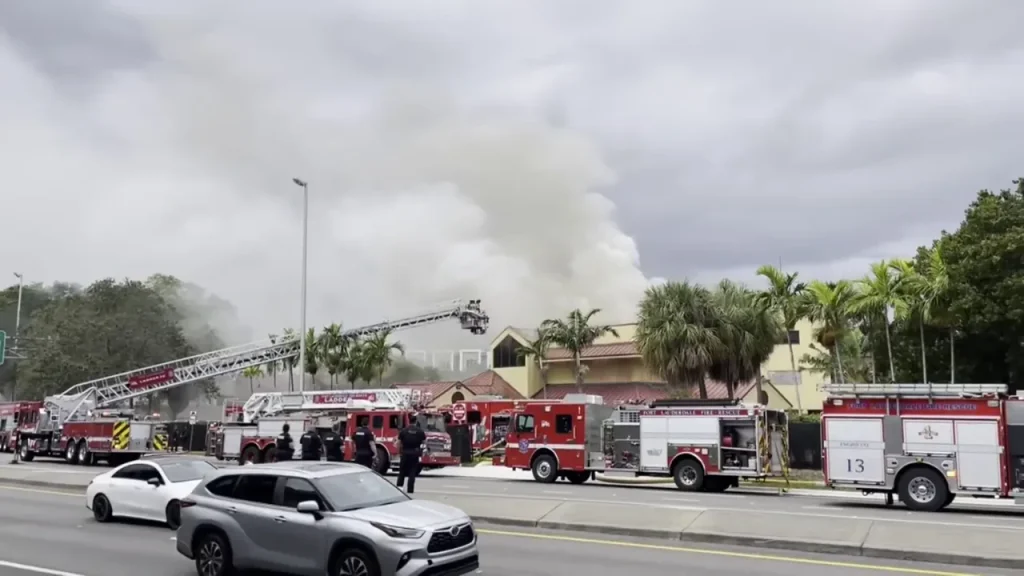
A short checklist covering the essentials while visiting Fort Lauderdale:
- Keep valuables out of sight and secured.
- Stay alert, especially in unfamiliar or quiet areas.
- Lock the vehicle every time it’s parked.
- Choose well-lit, appropriate parking.
- Avoid isolated areas after dark.
- Follow posted traffic laws and speed limits.
- Check the weather and any storm advisories before a longer drive.
- Keep emergency numbers saved and accessible.
- Confirm current safety guidance rather than relying on outdated sources.
What Should Visitors Do in an Emergency in Fort Lauderdale?
There are different contact numbers for different situations; travelers must know all to handle them.
Life-threatening situations: Dial 911 for any emergency involving injury, immediate danger, or a crime in progress.
Non-emergency police or fire assistance: Broward County’s non-emergency line, 954-764-4357 (954-764-HELP), covers situations that need attention but aren’t life-threatening.
Vehicle accidents: Florida law requires reporting crashes involving injury, death, or significant property damage. After an accident, moving to a safe location if possible, checking for injuries, and calling 911 if anyone is hurt or traffic is blocked are the immediate priorities.
Rental car breakdowns: Pulling as far off the road as possible and activating hazard lights comes first, followed by contacting the rental company’s roadside assistance line, typically listed on the rental agreement. Saving that number separately, such as in a phone’s notes, is a useful backup in case the paperwork isn’t within reach.
Keep documents accessible: Insurance information and rental agreement details are easier to manage as a phone photo, a glovebox folder, or both, rather than searching for them during a stressful moment.
Final Verdict: Is Fort Lauderdale Safe?
Fort Lauderdale is considerably safe to visit, but travelers must follow some tips to keep themselves secure. As there are several best places to visit in Fort Lauderdale that sit outside the walkable downtown and beach core, a car adds real flexibility and security for visitors to move around more than common areas. A rental vehicle makes it possible to build a day trip around a personal schedule rather than depending on limited public transit or repeated rideshare trips.
Frequently Asked Questions
Generally, yes, particularly in the well-trafficked tourist areas like the beach, Las Olas Boulevard, and the Riverwalk. Property crime, especially theft from vehicles, is a more common concern than violent crime toward visitors.
The main tourist areas stay busy and reasonably comfortable into the evening. As with most cities, unfamiliar or poorly lit areas are best avoided after dark.
Yes, particularly for daytime activities like the beach, parks, and museums. Neighborhoods such as Coral Ridge, Rio Vista, and Victoria Park are frequently cited as family-friendly options with lower crime rates than the citywide average.
Solo travel here is manageable with standard precautions, including sharing an itinerary, avoiding isolated areas at night, and relying on rideshare or a personal vehicle rather than walking long distances alone after dark.
Yes, though drivers should account for heavy I-95 traffic during rush hour, drawbridge delays on coastal routes, sudden afternoon storms, and limited beach and downtown parking.
Renting a car here is generally safe. Standard precautions, including locking the vehicle, choosing well-lit parking, and keeping valuables out of sight, address most of the risk.
Key things to plan around include rush-hour congestion on I-95, one-way streets downtown, drawbridge delays along the coast, and hurricane season considerations from June through November.
Hotel parking, public garages, and well-lit downtown or beach-area lots are generally the safest and most convenient choices, particularly in the evening.
The contact number for Broward County’s non-emergency line is 954-764-4357 (954-764-HELP).