
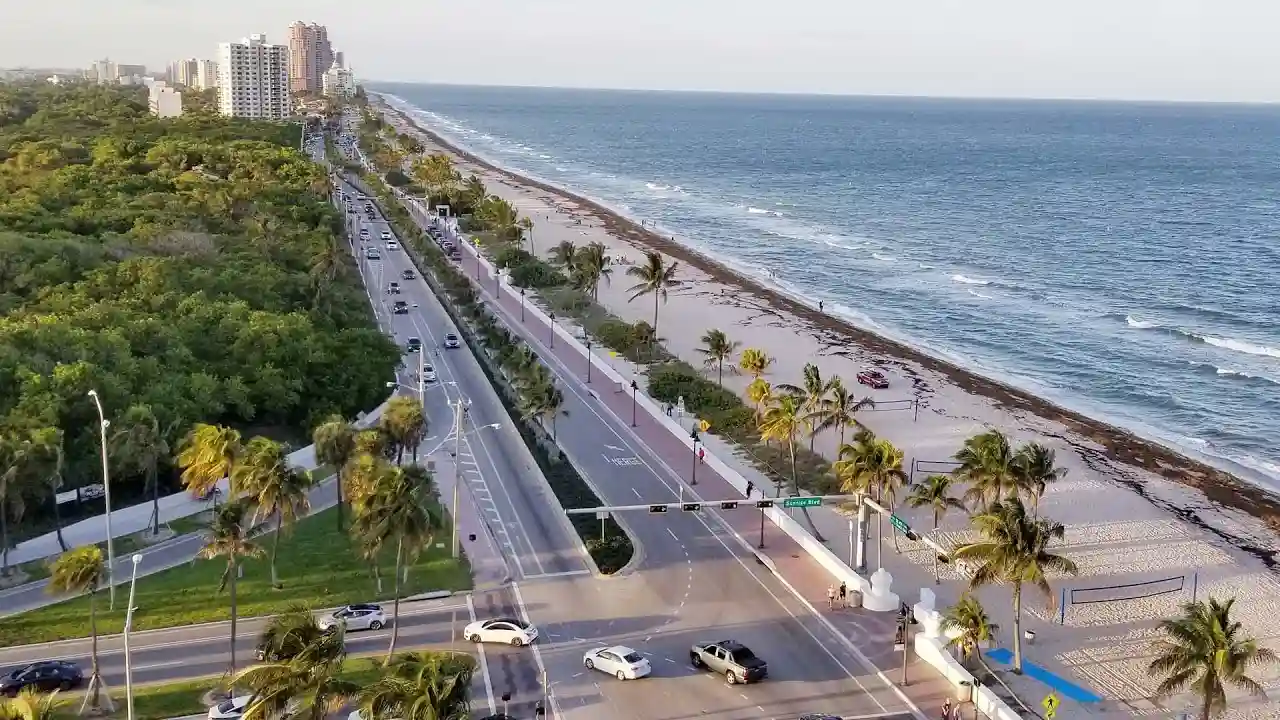
A drive from Fort Lauderdale to Port Canaveral is a popular road trip for cruise passengers traveling from South Florida to the Space Coast. The main routes typically use Florida’s Turnpike or Interstate 95 before heading east toward the cruise terminals. The trip is about 193 miles (311 km) and takes about 3 to 3.5 hours without long stops, depending on the starting point, traffic, route, and terminal. The key stops along the route include West Palm Beach, Jupiter, Port St. Lucie, Fort Pierce, Vero Beach, and Cocoa and Cocoa Beach.
How Far is Fort Lauderdale to Port Canaveral?
The driving distance from Fort Lauderdale to Port Canaveral is approximately 193 miles (311 km).
| Fort Lauderdale to Port Canaveral | Around 193 miles (311 km) |
| Main Highways | Florida’s Turnpike and I-95 |
| Driving Time | 3 to 3.5 Hours |
| Key Stops | West Palm Beach, Port St. Lucie, Fort Pierce, Vero Beach, Melbourne, and Cocoa area |
| Best For | Cruise transfers and road trips |
Note: The exact distance can change because of the selected route, traffic diversions, and the final cruise terminal.
Best Route From Fort Lauderdale to Port Canaveral

The best starting choice is I-95 north, then SR 528 east for a direct road trip. This route keeps most of the journey on highways and avoids an unnecessary trip toward Orlando.
- Join I-95 north from the Fort Lauderdale starting point.
- Continue north past Palm Beach, Treasure Coast, and Melbourne.
- Take Exit 205A for SR 528 east, confirmed in the FDOT exit directory.
- Continue east toward Port Canaveral.
- Follow the signs for the cruise terminal shown in the current booking documents.
Other Routes to Consider
Passengers can consider an alternative route if the starting point is west of I-95, the interstate traffic is heavy, or they plan to stop along the coast. The Options may include:
Via I-95 North: Another option is to stay on I-95 North. This can be simpler from some parts of Fort Lauderdale because I-95 is already accessible from the city. However, visitors can experience heavy traffic, especially in South Florida and around major urban areas.
Where to Stop Between Fort Lauderdale and Port Canaveral?
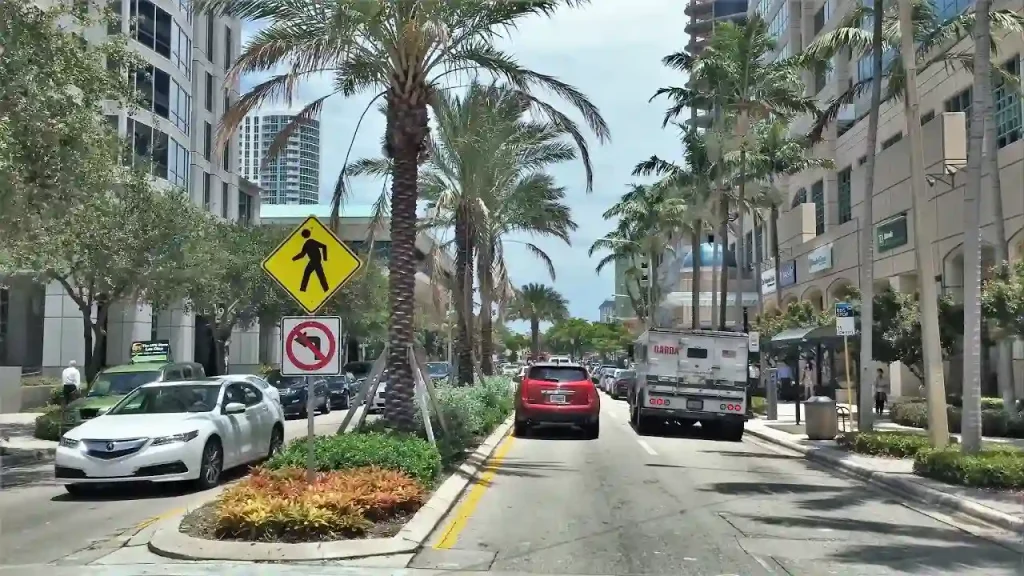
While it is a relatively short drive, visitors can stop at the following spots to relax, enjoy food, or take a mini adventure.
West Palm Beach: Located about an hour north of Fort Lauderdale, this beach is a convenient early stop after leaving Fort Lauderdale. It has many gas stations, restaurants, and coffee shops close to the main roads, making it ideal for a quick break.
Jupiter: Famous for its iconic red lighthouse and pristine waterfront parks, Jupiter is about 56 miles from Fort Lauderdale and around 137 miles from Port Canaveral. It offers beautiful views of the Loxahatchee River meeting the Atlantic Ocean.
Port St. Lucie: Serving as one of the most practical halfway stops, it is about 88 miles from Fort Lauderdale. It is a good place to stop for fuel, food, restrooms, coffee, and a longer driving break.
Fort Pierce: Situated roughly 100 miles from Fort Lauderdale, Fort Pierce is another useful stop along Florida’s Treasure Coast. It offers plenty of fuel and food options along the I-95 corridor.
Vero Beach: This beach is another convenient stop near I-95. The area has restaurants, fuel stations, shopping centers, hotels, and other basic travel services.
Melbourne: It is one of the closest destinations to Port Canaveral. The location is ideal for a final meal or fuel stop before continuing toward the port.
Cocoa and Cocoa Beach: Cocoa Beach is a relaxing stop just minutes from Port Canaveral. Visitors can explore the historic Cocoa Beach Pier, enjoy fresh seafood at a local tiki bar, or watch surfers riding the waves.
Tip: For a cruise-day drive, avoid making long stops near the port if boarding time is getting close.
Toll Roads on Fort Lauderdale to Port Canaveral Route

The eastern part of SR 528 toward Cape Canaveral is toll-free. The main situations that can add tolls are:
- Entering 95 Express lanes instead of the regular I-95 lanes.
- Choosing Florida’s Turnpike for part of the drive.
- Taking a navigation detour onto another tolled road.
- Starting from a location that uses a tolled connector.
Tip: Check the company’s toll policy or use a personal SunPass if the rental company allows it.
Things to Know Before Driving from Fort Lauderdale to Port Canaveral
Check a few things before driving a rental car in Fort Lauderdale to make the trip easier.
- I-95 can become congested near major cities. Check traffic before departure.
- Confirm how tolls are handled when using a rental car.
- Allow extra time for the cruise.
- Confirm the rental car return location, especially for a one-way rental.
- Cruise lines may provide specific arrival times and terminal information.
The Fort Lauderdale to Port Canaveral drive covers roughly 193 miles (311 km) and usually takes around 3 to 3.5 hours without extended stops. The main highway is I-95. However, Florida’s Turnpike can provide another option for parts of the route. Traffic, rental-car return procedures, port shuttles, parking, and cruise terminal requirements can increase the travel time.
FAQs
How far is it from Port Canaveral to Fort Lauderdale?
How long does it take to drive from Fort Lauderdale to Port Canaveral?
What is the best route from Fort Lauderdale to Port Canaveral?
Where can you stop between Fort Lauderdale and Port Canaveral?
Is the Fort Lauderdale to Port Canaveral drive scenic?
Is there a one-way rental option from Fort Lauderdale to Port Canaveral?
Kairav Norell
Kairav Norell is an automotive content researcher at FortLauderdaleCarRentals, focused on rental terms, vehicle availability, and regional pickup logistics across South Florida. Her background in transportation studies shapes how she approaches each article, breaking down policies and procedures that often get buried in fine print. Kairav covers the practical side of renting a car: deposit requirements, age restrictions, fuel policies, and how pickup locations differ between airport counters and neighborhood branches. She works from official rental agreements and carrier guidelines rather than assumptions, so readers get information that holds up when they're actually standing at the counter.